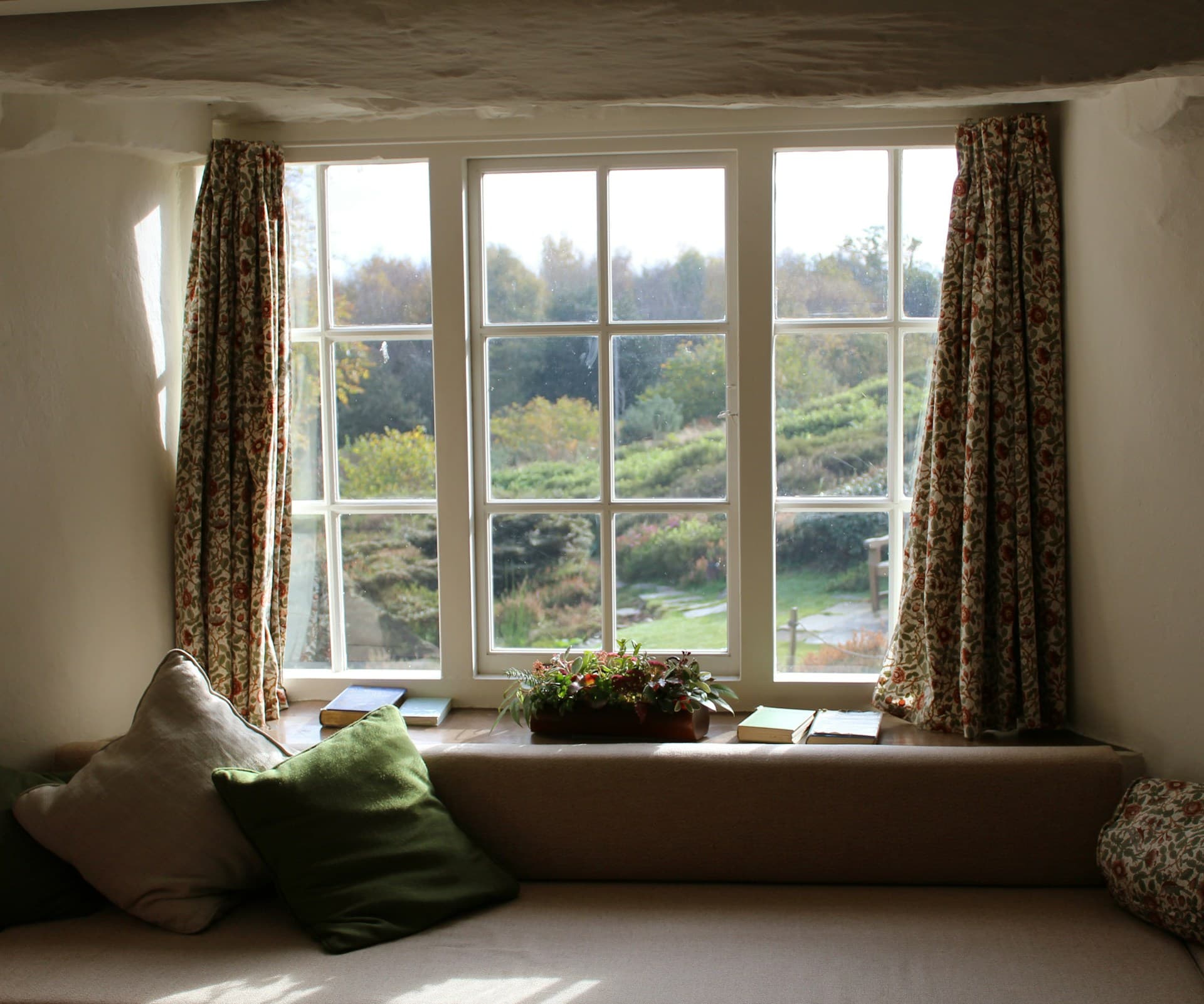
Window Tinting for Residential Spaces: Enhancing Comfort, Privacy, and Efficiency
By Total Care Windows Sat Mar 14 20267 minutes
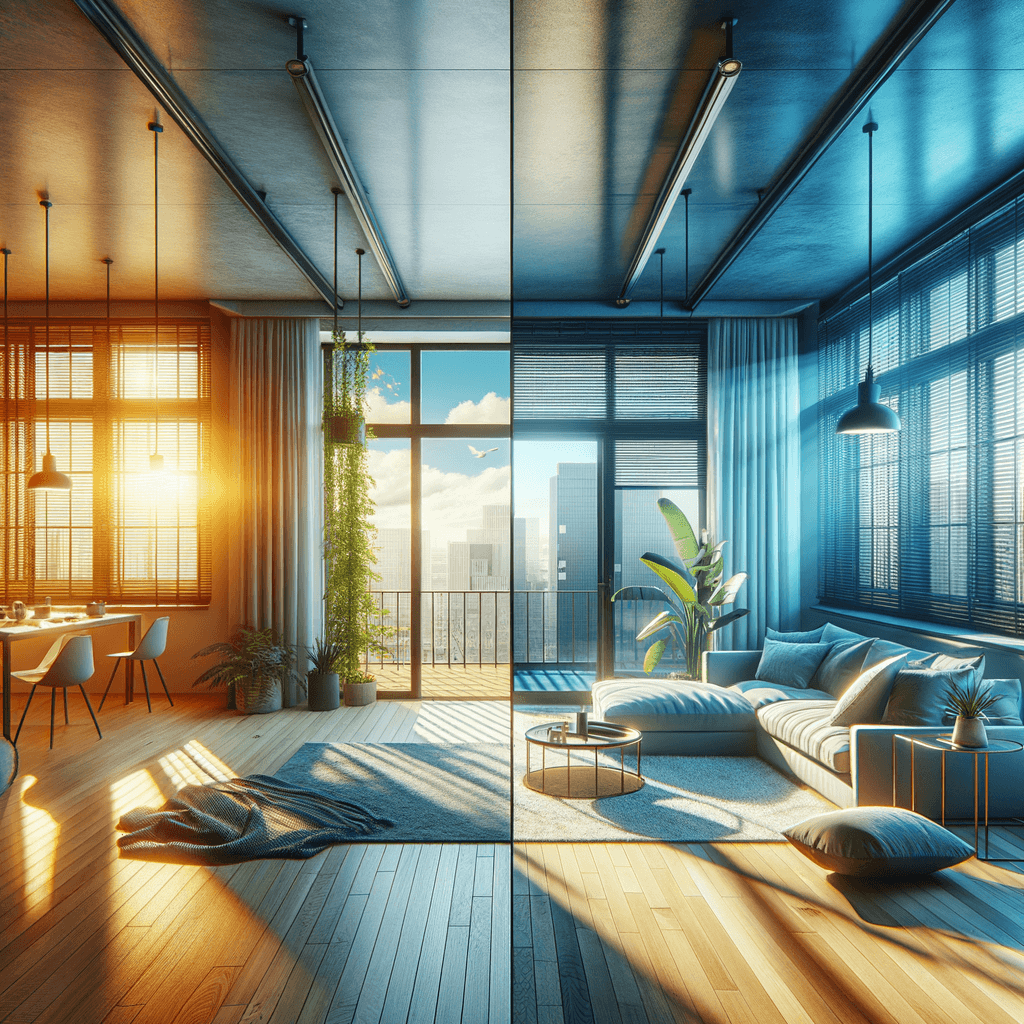
Understanding Residential Window Tinting
Residential window tinting involves applying a thin, transparent or tinted film to the interior surface of glass panes. This process enhances the performance of existing windows without the need for costly replacements. Homeowners increasingly turn to window tinting to address heat gain, glare, privacy, and fading of interior furnishings.“Window tinting is a cost-effective upgrade that can drastically improve both the livability and efficiency of your home.”
Key Benefits of Window Tinting for Homes
Tinting your home’s windows offers more than just a sleek appearance. The right film can deliver substantial functional improvements, making your living space more comfortable and resilient against environmental challenges.- Reduces solar heat gain, lowering cooling costs during hot months.
- Blocks up to 99% of harmful ultraviolet (UV) rays, protecting interiors from fading.
- Enhances privacy without sacrificing natural light.
- Minimizes glare on screens and reflective surfaces.
- Strengthens glass, increasing safety and reducing shatter risk.
Types of Residential Window Films
Selecting the optimal window film depends on your primary objectives—whether it’s maximizing privacy, boosting energy efficiency, or adding decorative flair. Each film type offers unique properties tailored to different homeowner needs.| Film Type | Primary Benefit | Common Use |
| Solar Control | Reduces heat & glare | Living rooms, sunrooms |
| Privacy | Obscures view from outside | Bathrooms, street-facing rooms |
| Security | Increases glass strength | Ground-floor windows |
| Decorative | Aesthetic enhancement | Entryways, offices |
Installation Process and Maintenance
Professional installation is recommended for optimal adhesion, clarity, and longevity. The process involves cleaning the glass, precisely cutting the film, and applying it without bubbles or creases. Maintenance is straightforward—gentle cleaning with non-abrasive materials preserves the film’s integrity for years.“A properly installed window film can last over a decade, offering consistent performance with minimal upkeep.”
Addressing Common Concerns: Will Tinting Darken My Home?
A frequent misconception is that all window tints significantly darken interiors. Modern films are engineered to be spectrally selective, meaning they block heat and UV rays while allowing visible light to pass through. Homeowners can choose from a spectrum of tints, from nearly invisible to richly shaded, based on their preferences.Choosing the Right Window Film for Your Needs
With an array of options available, it’s essential to assess your home’s orientation, climate, and privacy requirements. Consulting with a window solutions expert can help tailor a solution that balances aesthetics, efficiency, and cost-effectiveness.- Evaluate which rooms receive the most sunlight and require heat reduction.
- Consider privacy needs for bedrooms, bathrooms, and street-facing spaces.
- Balance visible light transmission (VLT) with desired solar heat rejection.
- Review warranty and expected lifespan of film products.
Is Window Tinting Worth the Investment?
Many homeowners wonder about the return on investment for window tinting. While upfront costs vary by film type and window size, energy savings, extended furniture lifespan, and increased comfort often yield significant long-term value.“Investing in window tinting is not just about immediate savings—it’s about creating a healthier, more enjoyable living environment.”
| Factor | Potential Savings |
| Energy bills | Up to 30% reduction in cooling costs |
| Furniture replacement | Prolonged lifespan by minimizing sun damage |
| Window replacement | Avoided or delayed due to film upgrades |