Tempered Glass Balustrades: Merging Safety and Style in Modern Architecture
By Total Care Windows Mon Mar 02 20267 minutes
Understanding Tempered Glass Balustrades
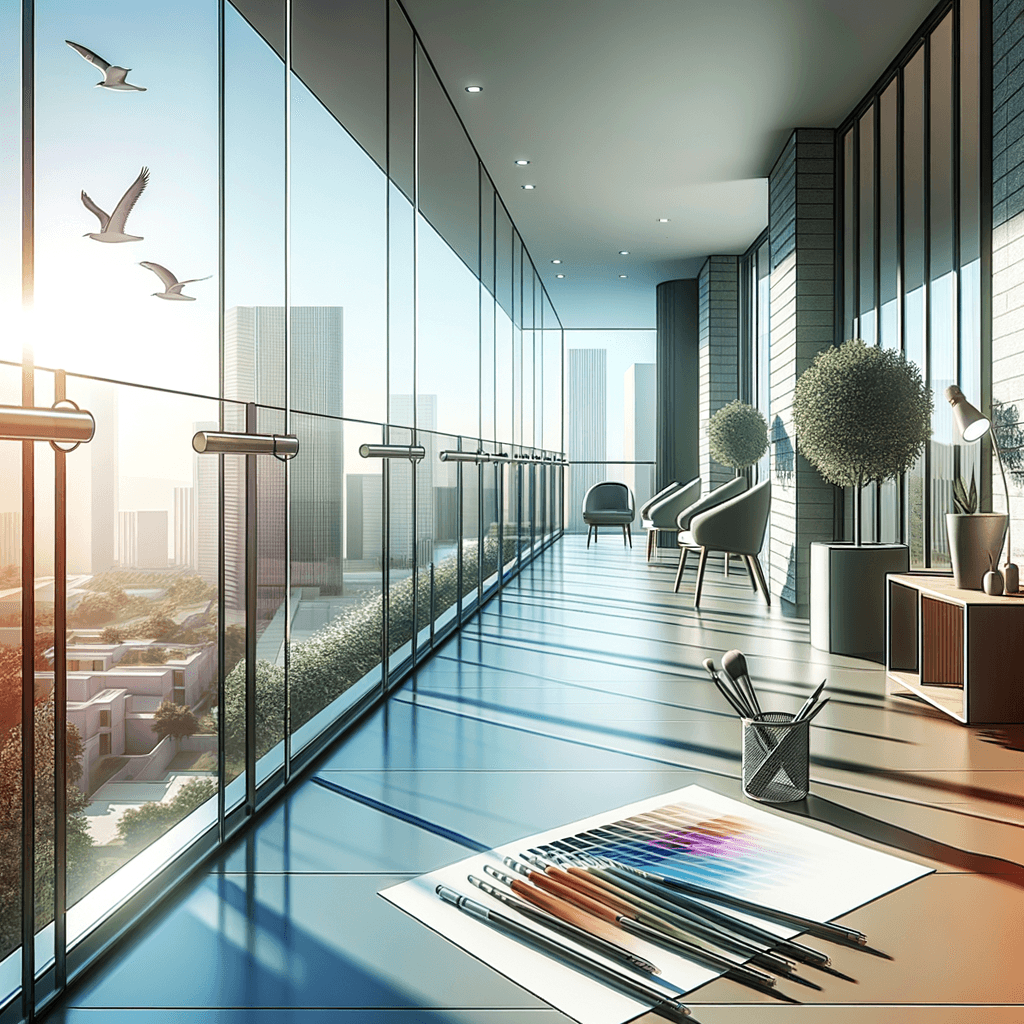
Tempered glass balustrades have become a hallmark of contemporary design, offering a sleek, transparent barrier that enhances both safety and visual appeal. Unlike traditional railings, these systems use toughened safety glass engineered to withstand high impact and thermal stress, making them ideal for staircases, balconies, and mezzanines in both residential and commercial environments.Key Advantages of Tempered Glass Balustrades
- Unobstructed views that maximize natural light and spatial perception.
- Exceptional safety due to increased strength and shatter-resistance.
- Minimalist aesthetics that complement diverse architectural styles.
- Corrosion-free performance, especially when paired with stainless steel or anodized aluminum hardware.
- Ease of maintenance with simple cleaning routines.
“Safety and transparency need not be mutually exclusive—tempered glass balustrades deliver both, elevating the everyday experience of space.”
Comparing Tempered Glass to Laminated and Annealed Glass in Balustrades
When selecting glass for balustrade systems, understanding the differences between tempered, laminated, and annealed glass is crucial. Each type offers distinct performance characteristics in terms of safety, durability, and application suitability. The table below outlines the core distinctions to guide your selection process.| Glass Type | Strength | Breakage Behavior | Best Use |
| Tempered | 4-5x stronger than annealed | Breaks into blunt granules | Balustrades, doors, shower enclosures |
| Laminated | Similar to annealed, with interlayer | Holds together when broken | High-security areas, sound insulation |
| Annealed | Standard strength | Breaks into sharp shards | Low-risk, non-structural glazing |
Design Options: Framed vs Frameless Glass Balustrades
Modern balustrade systems offer a spectrum of design possibilities. Framed glass balustrades utilize visible posts and rails for structural support, while frameless systems rely on discreet channels or spigots, creating a seamless floating effect. The choice depends on your desired aesthetic, load requirements, and installation context.Installation Considerations for Optimal Safety and Longevity
Proper installation is paramount to ensure the safety and durability of tempered glass balustrades. Precision in measurement, substrate preparation, and anchoring methods directly impact the system’s performance and lifespan. Always consult certified professionals familiar with local building codes and load-bearing standards.- Verify substrate suitability for anchoring glass hardware.
- Use only code-compliant, corrosion-resistant fittings.
- Allow for expansion gaps to accommodate thermal movement.
- Inspect all glass panels for edge chips or defects before installation.
- Schedule routine maintenance checks for hardware integrity.
“The integrity of a glass balustrade lies as much in the details of its installation as in the quality of its materials.”