
Switchable Privacy Glass: Transforming Spaces with Dynamic Opacity Control
By Total Care Windows Mon Mar 23 20267 minutes
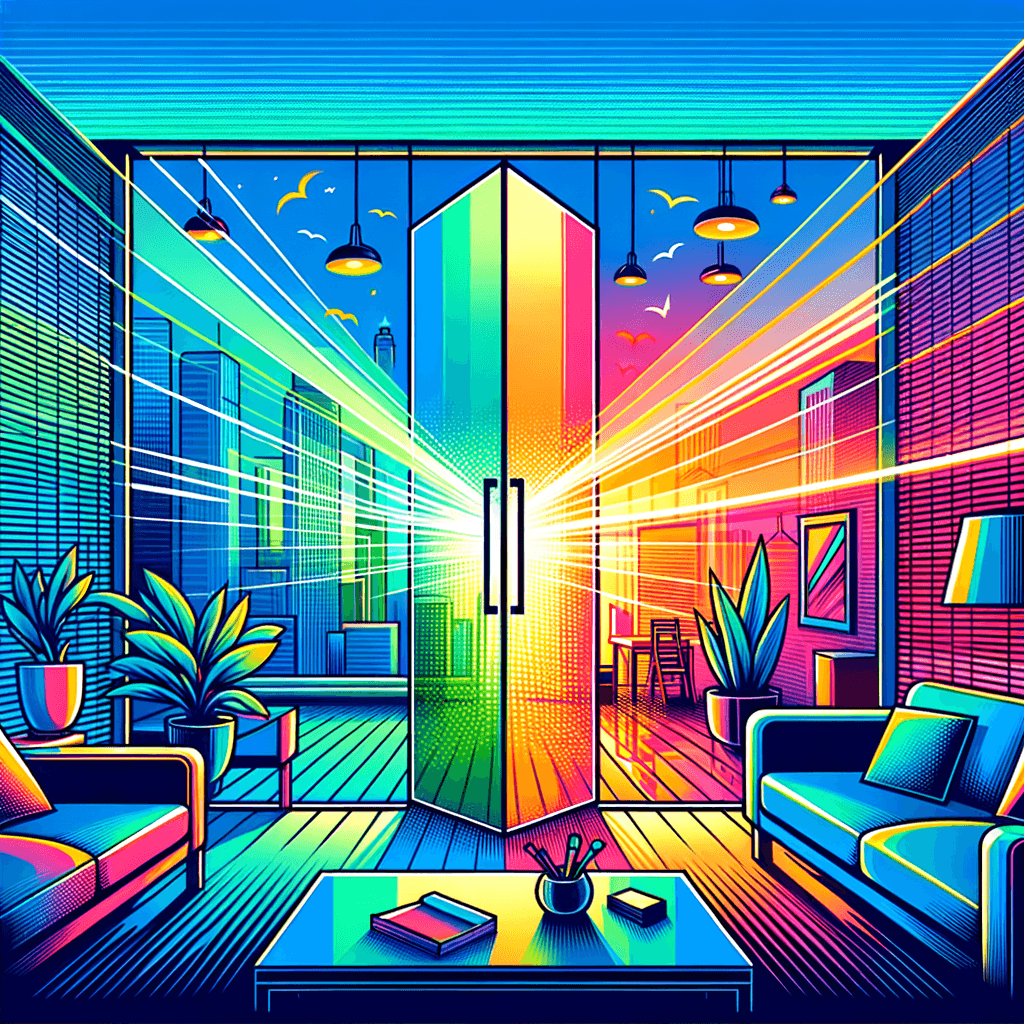
Introduction to Switchable Privacy Glass
Modern living and working environments demand both openness and privacy, often within the same space. Switchable privacy glass, also known as smart glass or dynamic opacity glass, addresses this challenge by allowing users to instantly alter the transparency of their windows. This technology is gaining traction in residential, commercial, and healthcare settings for its ability to deliver on-demand privacy without sacrificing natural light or aesthetics.How Switchable Privacy Glass Works: The Science Behind the Magic
At the core of switchable privacy glass is a specialized interlayer—typically made of liquid crystal or suspended particle devices—sandwiched between sheets of glass. When an electrical current is applied, the particles or crystals align, rendering the glass transparent. Removing the current scatters the particles, creating an opaque or frosted appearance. This seamless transition can be controlled by wall switches, remotes, or even smart home systems.“The real innovation in switchable glass lies in its ability to adapt instantly, offering privacy without compromise.”
Key Benefits of Dynamic Opacity Windows
- Instant privacy on demand, ideal for bathrooms, conference rooms, and street-facing windows.
- Enhanced energy efficiency by reducing solar heat gain and glare.
- Minimalist aesthetics—no need for blinds or curtains that collect dust and detract from design.
- Improved hygiene in healthcare settings by eliminating fabric window treatments.
- Potential for integration with smart home and building automation systems.
Comparing Smart Glass Technologies: Electrochromic vs. SPD vs. PDLC
Not all switchable glass is created equal. The three primary technologies—electrochromic, suspended particle device (SPD), and polymer-dispersed liquid crystal (PDLC)—offer distinct performance profiles. Understanding these differences is crucial for selecting the right solution for your project.| Technology | Transparency Control | Response Time | Color Options | Best Use Cases |
| Electrochromic | Gradual tinting | Seconds to minutes | Limited (usually blue/grey) | Exterior windows, skylights |
| SPD | Fast switching | Milliseconds | Dark to clear | Automotive, commercial facades |
| PDLC | Instant opaque/clear | Milliseconds | Frosted to clear | Interior partitions, bathrooms |
Installation Considerations and Integration Tips
Installing switchable privacy glass requires careful planning, particularly regarding wiring, power supply, and control systems. Retrofitting existing windows can be challenging, so early-stage integration during construction or renovation is ideal. Collaboration between architects, electricians, and glazing specialists ensures optimal performance and longevity.“Successful smart glass installations are the result of interdisciplinary teamwork and precise planning.”
Design Inspiration: Creative Uses for Switchable Glass
Designers and architects are leveraging switchable glass to create flexible, multi-functional spaces that adapt to changing needs. From private home spas to open-plan offices that transform into confidential meeting rooms, the possibilities are limited only by imagination.- Movable glass walls in co-working spaces that switch from transparent to private.
- Shower enclosures that frost over at the touch of a button.
- Projection screens integrated into glass partitions for dynamic presentations.
- Smart glass skylights that respond to sunlight intensity.