
Switchable Privacy Glass: Transforming Modern Interiors with Dynamic Transparency
By Total Care Windows Fri Apr 10 20267 minutes
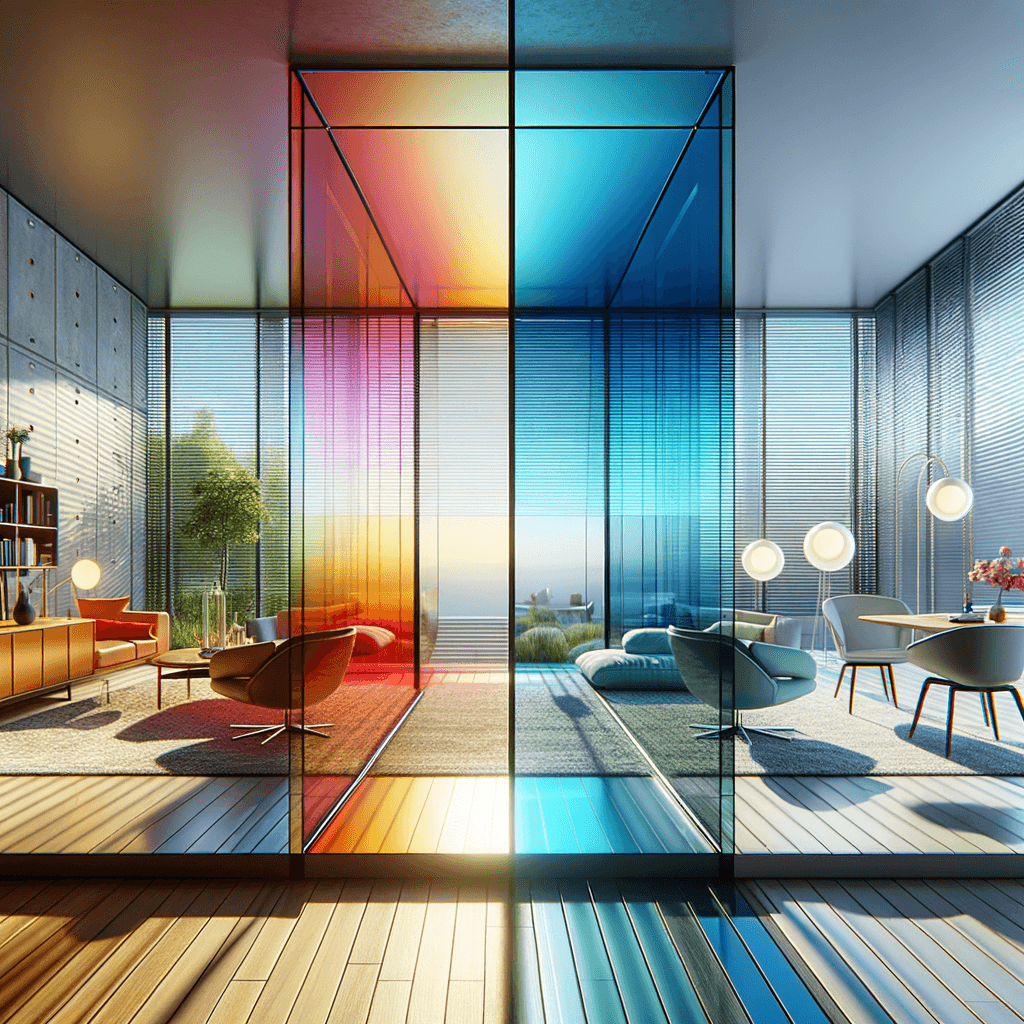
Understanding Switchable Privacy Glass Technology
Switchable privacy glass, also known as dynamic or smart glass, utilizes advanced electrochromic or polymer-dispersed liquid crystal (PDLC) technologies to transition between transparent and opaque states. With a simple switch or automated control, users can instantly adjust the level of privacy and daylight in a space, making this glass a sought-after solution for modern interiors where flexibility and discretion are essential.“In contemporary architecture, adaptability is key—switchable glass delivers privacy without sacrificing daylight or design.”
Key Benefits of Switchable Privacy Glass for Homes and Offices
- On-demand privacy: Instantly obscure views in bathrooms, meeting rooms, or bedrooms.
- Enhanced daylight: Enjoy maximum natural light when transparency is desired, reducing reliance on artificial lighting.
- Energy efficiency: Dynamic shading reduces solar gain, supporting lower HVAC costs.
- Minimal maintenance: No moving parts or dust-collecting blinds to clean.
- Sleek aesthetics: Clean lines and uninterrupted glazing elevate modern design schemes.
Popular Applications of Switchable Glass in Interior Design
The versatility of switchable privacy glass extends beyond windows. Its integration into doors, partitions, and even shower enclosures allows architects and homeowners to create multifunctional, visually striking spaces without compromising privacy or openness.- Conference rooms: Instantly transition from open collaboration to confidential meetings.
- Residential bathrooms: Replace traditional frosted glass with dynamic privacy at the touch of a button.
- Healthcare facilities: Provide patient privacy while maintaining a hygienic, easy-to-clean surface.
- Retail storefronts: Shift from transparent displays to private consultation areas as needed.
Comparing Switchable Glass Types: Electrochromic vs. PDLC
Understanding the distinctions between electrochromic and PDLC technologies is crucial for selecting the right solution. Each offers unique performance characteristics, response times, and suitability for different environments.| Feature | Electrochromic Glass | PDLC Glass |
| Switching Mechanism | Voltage triggers color change | Voltage aligns liquid crystals |
| Transparency States | Clear to tinted | Clear to opaque |
| Response Time | Slower (seconds to minutes) | Faster (milliseconds) |
| Energy Consumption | Low (only during transition) | Low (requires power to stay clear) |
| Best Use Cases | Exterior windows, skylights | Interior partitions, doors |
Installation Considerations and Integration Tips
Proper planning and installation are vital to maximizing the performance and longevity of switchable privacy glass. Collaborate with experienced glazing contractors and electrical specialists to ensure seamless integration with building automation systems and smart home controls.- Verify compatibility with existing window frames or partition systems.
- Plan for discreet wiring and power supply routing.
- Coordinate with automation providers for app or voice control integration.
- Ensure compliance with local building codes and safety standards.
“A well-executed installation is the foundation for reliable smart glass performance—attention to detail pays dividends over time.”
Is Switchable Privacy Glass Worth the Investment?
While the upfront cost of switchable privacy glass is higher than standard glazing, its long-term value is reflected in improved comfort, energy savings, and property appeal. Forward-thinking homeowners and business owners recognize the return on investment in both tangible and intangible benefits.| Factor | Switchable Privacy Glass | Traditional Glass |
| Privacy Control | Dynamic, on-demand | Static, limited |
| Energy Efficiency | Reduces heat gain/loss | Minimal impact |
| Aesthetics | Modern, customizable | Conventional |
| Maintenance | Low, no moving parts | May require blinds/curtains |
| Cost | Higher upfront | Lower upfront |