
Switchable Privacy Glass: Revolutionizing Privacy and Light Control in Modern Spaces
By Total Care Windows Mon Mar 09 20267 minutes
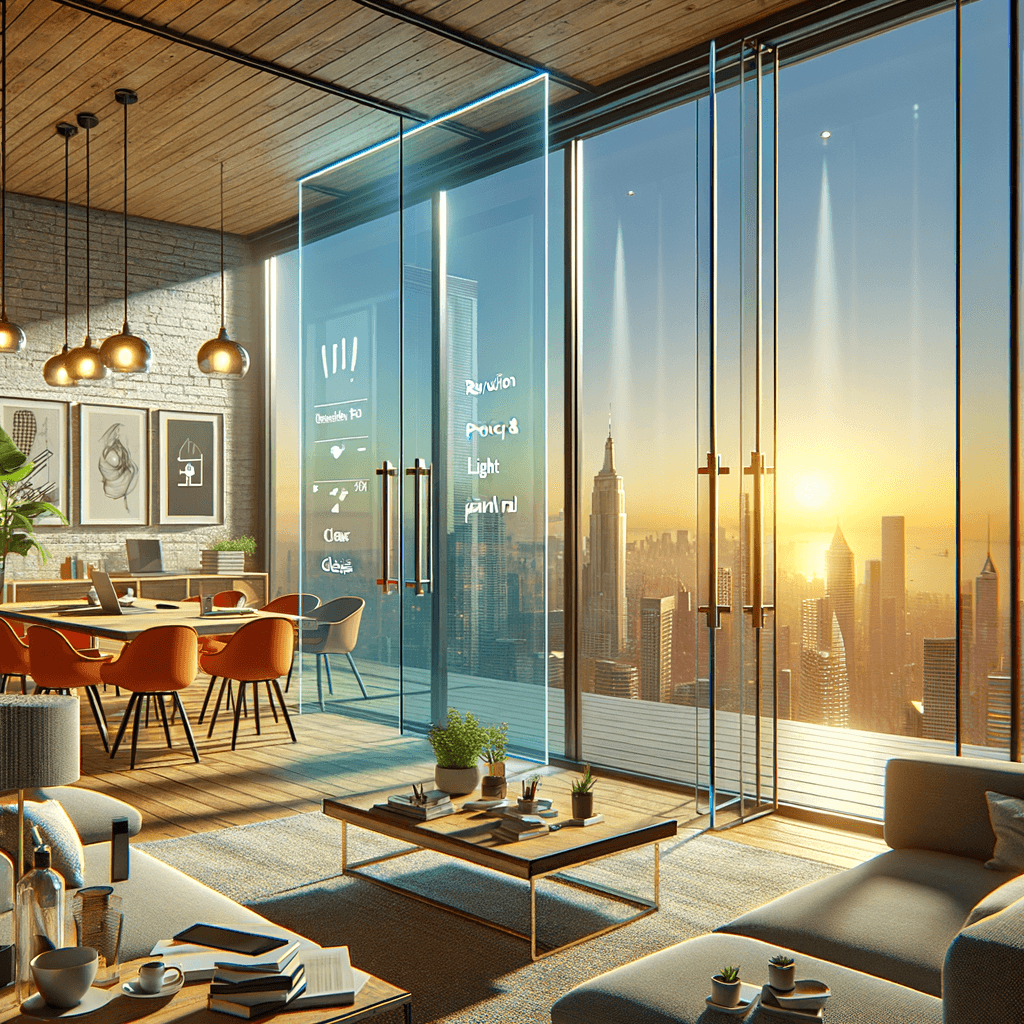
Introduction to Switchable Privacy Glass
Switchable privacy glass, also known as smart glass or dynamic glass, has emerged as a transformative solution for spaces demanding both transparency and seclusion. By leveraging advanced materials like polymer-dispersed liquid crystals (PDLC) or electrochromic coatings, these windows can instantly transition from clear to opaque with the flip of a switch or the tap of an app. This innovation caters to homeowners and commercial designers seeking privacy without sacrificing natural light or modern aesthetics.How Switchable Glass Technology Works
At the heart of switchable privacy glass lies a thin film of liquid crystals or electrochromic materials sandwiched between two panes of glass. When an electric current is applied, the molecules align, allowing light to pass through and rendering the glass transparent. When the current is switched off, the molecules scatter, diffusing light and turning the glass opaque. This seamless transformation provides instantaneous privacy on demand.“The beauty of switchable glass is its ability to adapt to your lifestyle, offering both openness and discretion at the touch of a button.”
Key Benefits of Switchable Privacy Glass
- On-demand privacy for bathrooms, bedrooms, meeting rooms, and healthcare environments.
- Maximized daylighting without the need for blinds or curtains.
- Enhanced energy efficiency by reducing solar heat gain and glare.
- Easy integration with smart home or building automation systems.
- Modern, minimalist aesthetics that complement contemporary architecture.
Comparing Switchable Glass Types: PDLC vs. Electrochromic
Two primary technologies dominate the switchable glass market: PDLC (Polymer Dispersed Liquid Crystal) and electrochromic glass. Each offers unique advantages and is suited to different applications.| Feature | PDLC Glass | Electrochromic Glass |
| Switching Speed | Instantaneous (milliseconds) | Slower (seconds to minutes) |
| Privacy Level | Opaque (milky white) | Variable tint (from clear to dark) |
| Power Consumption | Only when switching or clear | Low, primarily during tinting |
| Ideal Uses | Privacy partitions, bathrooms | Sun control, exterior windows |
Design Applications and Creative Uses
Switchable privacy glass is not limited to standard windows. Its versatility allows for innovative applications in both residential and commercial settings, transforming how spaces are used and experienced.- Conference room partitions that switch from transparent to private during meetings.
- Bathroom enclosures that offer seclusion without blocking daylight.
- Projection screens for home theaters or offices.
- Storefronts that reveal displays only during business hours.
- Hospital patient rooms for on-demand privacy and infection control.
Installation Considerations and Limitations
While switchable glass offers remarkable benefits, it is important to consider installation requirements and potential limitations. Proper electrical connections are essential, and retrofitting existing windows can be complex. Additionally, cost remains higher than traditional glazing, though prices are gradually decreasing as the technology matures.“Investing in smart glass is not just about privacy—it's about future-proofing your space for evolving needs and technologies.”