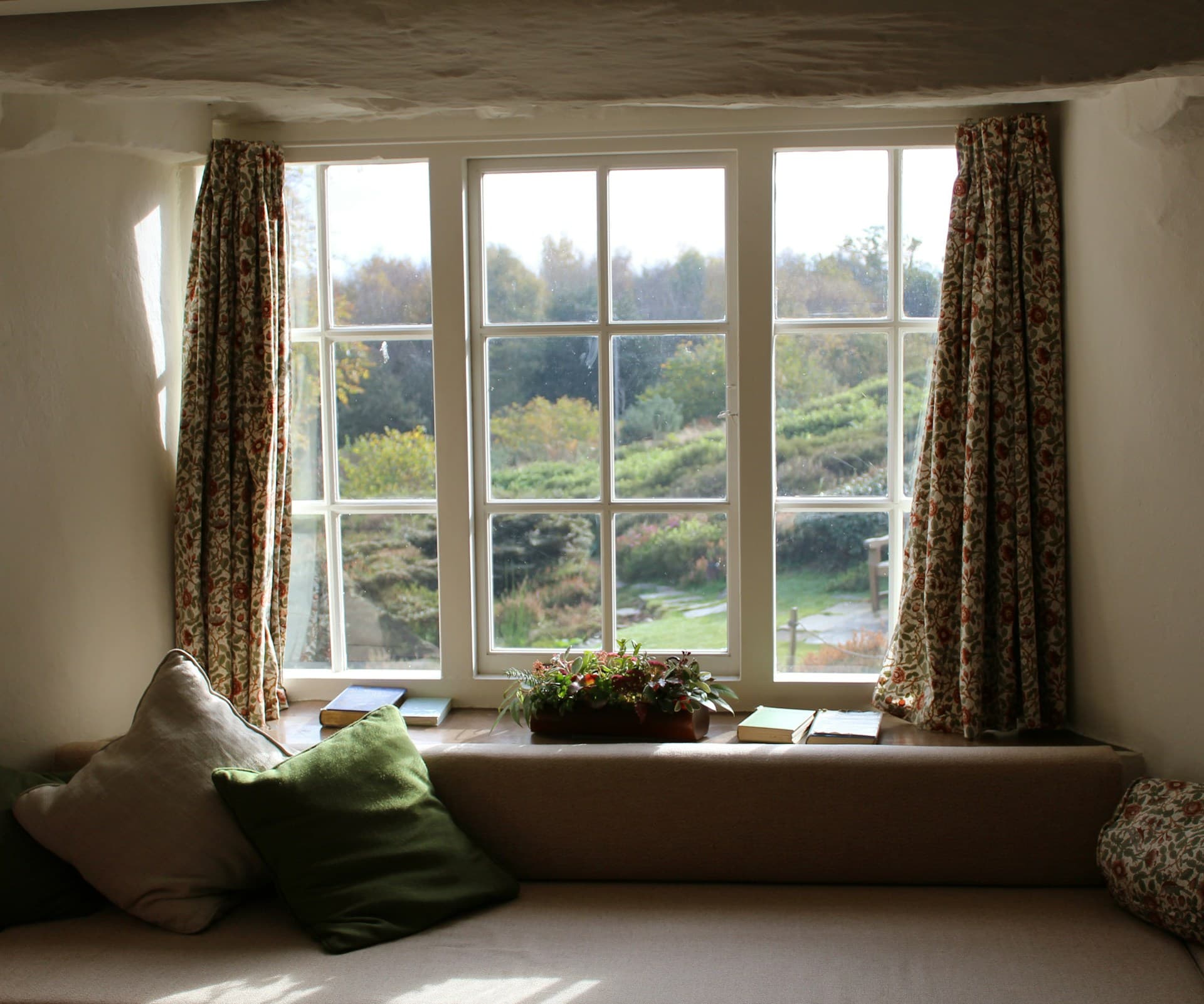
Maximizing Daylight with Window Orientation: Strategies for Brighter, Healthier Interiors
By Total Care Windows Sat Jan 24 20267 minutes
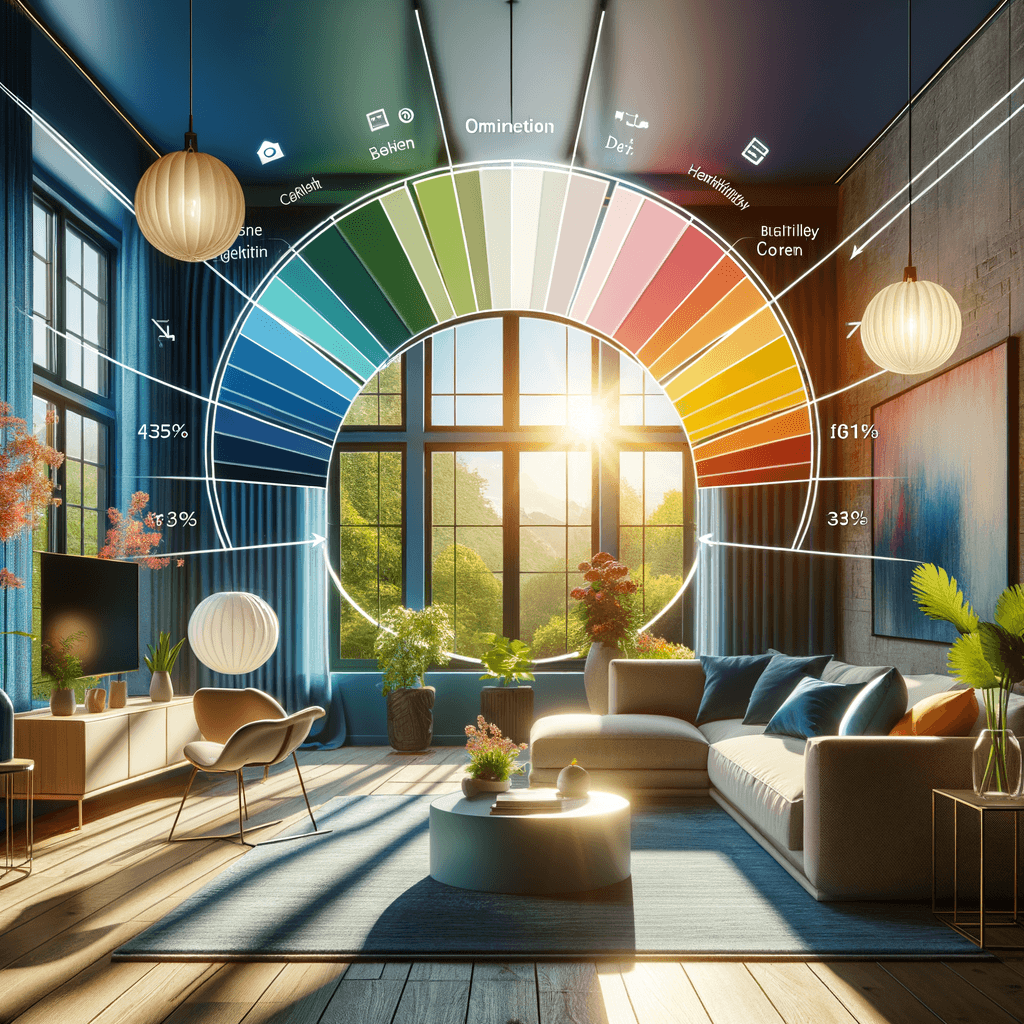
The Impact of Window Orientation on Natural Light
Window orientation is a critical yet often overlooked factor in architectural design, directly influencing the quality and quantity of natural daylight that enters a space. Properly oriented windows can transform interiors, reduce reliance on artificial lighting, and create uplifting, healthy environments. For homeowners and designers aiming to optimize both energy efficiency and occupant well-being, understanding the science of window placement is essential.“Daylight is not just a visual asset—it's a fundamental component of healthy, sustainable living environments.”
Key Principles of Window Orientation
Choosing the right window orientation involves more than just aesthetics. It requires a thoughtful balance between maximizing daylight, minimizing unwanted heat gain or loss, and ensuring privacy. Each cardinal direction brings unique opportunities and challenges for daylighting.- North-facing windows: Offer consistent, diffuse light ideal for studios and living spaces.
- South-facing windows: Capture abundant winter sun, aiding passive solar heating and reducing energy bills.
- East-facing windows: Bring in bright morning light, perfect for energizing kitchens and breakfast areas.
- West-facing windows: Deliver warm afternoon sunlight but may require shading to prevent overheating.
Design Strategies to Harness Daylight Effectively
Implementing strategic window orientation can dramatically improve both the ambiance and efficiency of your home. By combining orientation with advanced glazing, shading devices, and thoughtful room placement, you can create spaces that are luminous, comfortable, and energy-smart.- Use clerestory or transom windows on north or south walls to invite daylight deeper into rooms.
- Incorporate overhangs or brise-soleil on south and west windows to control glare and summer heat gain.
- Pair operable windows with fixed glazing to balance ventilation and illumination.
- Position frequently used spaces, such as living rooms or offices, along south or east-facing facades.
Comparing Daylight Performance by Orientation
| Orientation | Daylight Quality | Thermal Impact | Best Use Cases |
| North | Cool, consistent, glare-free | Minimal heat gain/loss | Art studios, offices, bedrooms |
| South | Bright, warm, controllable | Passive heating in winter | Living rooms, sunrooms |
| East | Vivid morning sun | Mild heat gain | Kitchens, breakfast nooks |
| West | Strong afternoon sun | Potential overheating | Secondary spaces, with shading |
Addressing Common Pain Points: Glare, Privacy, and Overheating
While maximizing daylight is desirable, improper window orientation can introduce issues such as glare, compromised privacy, and thermal discomfort. Homeowners often struggle to find the right balance between openness and control. Proactive design solutions can mitigate these challenges without sacrificing natural light.- Install adjustable blinds or smart shading systems for dynamic control.
- Opt for frosted or patterned glass in privacy-sensitive areas.
- Integrate high-performance glazing to reduce heat transfer while preserving light.
- Employ landscaping (like trees or hedges) to filter sunlight and enhance privacy.
“The most successful daylighting strategies are those that anticipate both the sun’s path and the needs of the people inside.”